


Helpful Auto Repair Tips and Updates for Midland, TX Drivers
Home / Our Blog
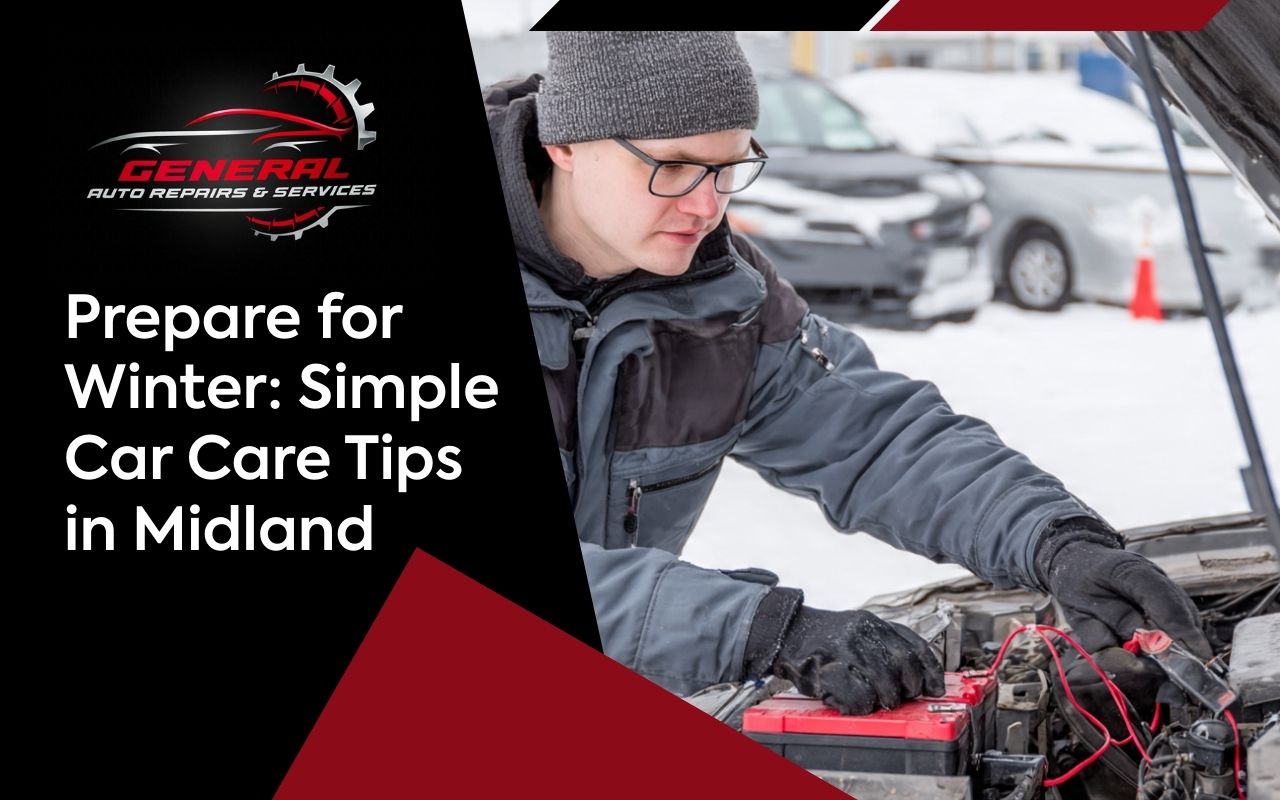
Prepare for Winter: Simple Car Care Tips in Midland
Prepare for Winter: Simple Car Care Tips in Midland
Winter Car Maintenance in Midland becomes essential as temperatures drop and days grow shorter. Cold days challenge both you and your vehicle, so simple checks now prevent stress later. By focusing on a few key systems, you avoid icy-morning surprises and roadside delays.
Cold weather affects tire pressure, battery power, coolant/antifreeze, and even your wiper blades. When you prepare these parts early, your car feels ready to face Midland’s winter roads and changing conditions.
Importance of Winter Car Maintenance in Midland
Before the coldest days arrive, give your car a complete seasonal check. Ignoring small issues can lead to hard starts, weak heat, or sliding on slick streets. Plus, fixing problems early usually costs less than dealing with sudden breakdowns.
Winter Car Maintenance in Midland means making sure every major system can handle freezing temperatures and wet roads. Good care reduces the chance of breakdowns and helps you drive with confidence on busy routes, even when the weather quickly changes.
Checking and Topping Up Coolant/Antifreeze Levels
Regularly checking coolant/antifreeze levels is a key part of winter readiness. Low or dirty coolant can freeze in extreme cold and damage engine parts. Therefore, it is important to use the mix suggested by your car’s manufacturer, often a simple 50/50 blend.
Always let the engine cool completely before opening the radiator cap.
Check the color and clarity of the coolant for rust or debris.
Fill the reservoir to the marked level if the coolant/antifreeze is low.
If you notice rust, dirt, or an oily film, a full system flush is a smart idea. A clean cooling system helps your engine handle sudden temperature changes and keeps you moving on cold Midland mornings.
Inspecting and Replacing Wiper Blades
Clear vision is crucial when snow, sleet, and road spray hit your windshield. Old wiper blades can crack or turn stiff, which leaves streaks and missed spots. As a result, you may struggle to see traffic, signs, or icy patches ahead.
Replace worn wiper blades before heavy storms arrive. Choose blades designed for winter, since they resist ice buildup better. Installing them is simple: lift the arm, press the quick-release tab, and snap the new blade into place. Then test them with washer fluid to confirm smooth movement.
Battery Inspection and Maintenance Tips
Cold temperatures greatly reduce battery power, so a quick battery test before winter can save you from a no-start morning. A healthy battery usually shows around 12.6 volts with the engine off. Anything much lower may signal trouble.
Clean corrosion from the terminals and tighten the cable clamps carefully. A mix of baking soda and water removes white or green buildup. When in doubt, visit a shop for a professional battery test. If your battery is older than three years, replacing it before a cold snap is a smart move.
Tire Care: Pressure, Tread Depth, and Winter Tires
Tires play a huge part in Winter Car Maintenance in Midland because they connect your car to icy roads. As temperatures drop, tire pressure falls by about 1 PSI for every 10°F. Therefore, checking tire pressure often improves handling, braking, and fuel efficiency.
Check tire pressure at least once a month during winter.
Use the pressure number on the door sticker, not the tire’s sidewall.
Inspect tread depth and replace tires that no longer grip well.
The penny test makes tread checks easy. If you see all of Lincoln’s head, it is time for new tires. In areas with heavy snow, consider winter tires with deeper tread and special rubber that stays soft in cold weather, improving traction.
Engine Oil Check and Change Recommendations
Oil thickens in cold weather, so checking it before winter is very important. Use the dipstick to look at the oil level and color. Fresh oil appears amber and fairly clear, while dark, gritty oil means it is ready for a change.
Many makers recommend a lower-viscosity oil, such as 5W-30 or 0W-20, for cold weather starts. These oils move quickly through the engine on frosty mornings. If you are unsure which oil is best, consult your owner’s manual or ask a trusted technician at your next service visit.
Exterior Car Care: Waxing and Protecting Paint
Road salt, dirt, and ice can harm your car’s paint during winter. Applying a fresh coat of wax creates a shield that helps prevent rust and stains. Additionally, wax makes it easier to rinse away salt and grime after storms.
First, wash the car with a gentle car soap and dry it completely. Then apply wax in small sections with a soft pad and buff with a clean microfiber cloth. Adding a sealant or spray wax later in the season keeps that protection strong even on harsh days.
Interior Car Care: Heater and Defroster Maintenance
A working heater and defroster are vital for comfort and safety. Turn the defroster on high to see if it clears fog quickly. Weak airflow often means a clogged cabin air filter, which is usually easy to replace.
If the air never warms up, you may have low coolant or a clogged heater core. A qualified mechanic can test these parts and fix any issues. Meanwhile, use the “fresh air” setting, not “recirculate,” to reduce interior fogging and keep windows clear.
Emergency Kit Preparation for Winter Driving
Another key step in Winter Car Maintenance in Midland is packing a simple winter emergency kit. Even a short drive can become stressful if you get stuck in snow or ice. Being prepared helps you stay safe and calm while waiting for help.
Warm blankets, gloves, hats, and extra socks.
A flashlight with spare batteries and a portable phone charger.
Non-perishable snacks, bottled water, and necessary medicines.
An ice scraper, small shovel, jumper cables, and sand or kitty litter for traction.
Store these items in a sturdy bag or bin in your trunk. Adding a basic first-aid kit and simple tools, such as pliers and screwdrivers, further increases your readiness when winter roads turn unpredictable.
Frequently Asked Questions
How early should I start preparing my car for winter in Midland?
Begin your winter checks in early fall, before the first freeze. This timing gives you plenty of time to handle needed repairs, schedule a battery test, and replace worn parts like wiper blades without rushing.
How often should I check tire pressure during cold weather?
Check tire pressure at least once a month in winter, and always after a major temperature drop. Regular checks help you maintain proper tire pressure, which improves handling, braking, and gas mileage on cold, slippery roads.
When should I replace my wiper blades for winter?
Replace wiper blades at least once a year or sooner if they streak, skip, or squeak. Ideally, install new blades right before the winter season so they can handle snow, ice, and heavy road spray more effectively.
How do I know if my coolant/antifreeze is ready for winter?
Look at the coolant/antifreeze color and clarity in the reservoir. If it looks rusty, cloudy, or oily, ask a technician to test it and consider a full flush. Clean fluid at the correct level protects your engine from freezing and overheating.
Should I switch to winter tires, or are all-season tires enough?
All-season tires may work in light snow, but winter tires perform better in deep snow and icy conditions. If you often drive during storms or on untreated roads, winter tires with deeper tread and softer rubber offer extra safety and control.
Ensuring Your Vehicle's Reliability During Midland's Winter
Preparing your car for winter in Midland is mainly about taking small steps before problems appear. By taking Winter Car Maintenance in Midland seriously, you protect your vehicle and your peace of mind on every drive.
Regular inspections, fresh fluids, safe tires, and a ready emergency kit all work together. If you prefer expert help, you can schedule a full winter inspection in Midland and head into the season feeling ready for whatever the weather brings.

Over 3 Years of Industry Experience
Get Back on the Road with Clear Estimates and Trusted Workmanship
Extended Service Area: Midland, TX and Nearby Communities Within 30 Miles
Monday to Saturday 8 AM – 8 PM | Sunday 10 AM – 5 PM
Payment Methods Accepted: Cash, Zelle, Credit/Debit Cards, Cash App



@ 2025 - General Auto Repair Services | All Rights Reserved